
 See Our Latest Article on HelloNation
How Do Chiropractic Care and Physical Therapy Differ?
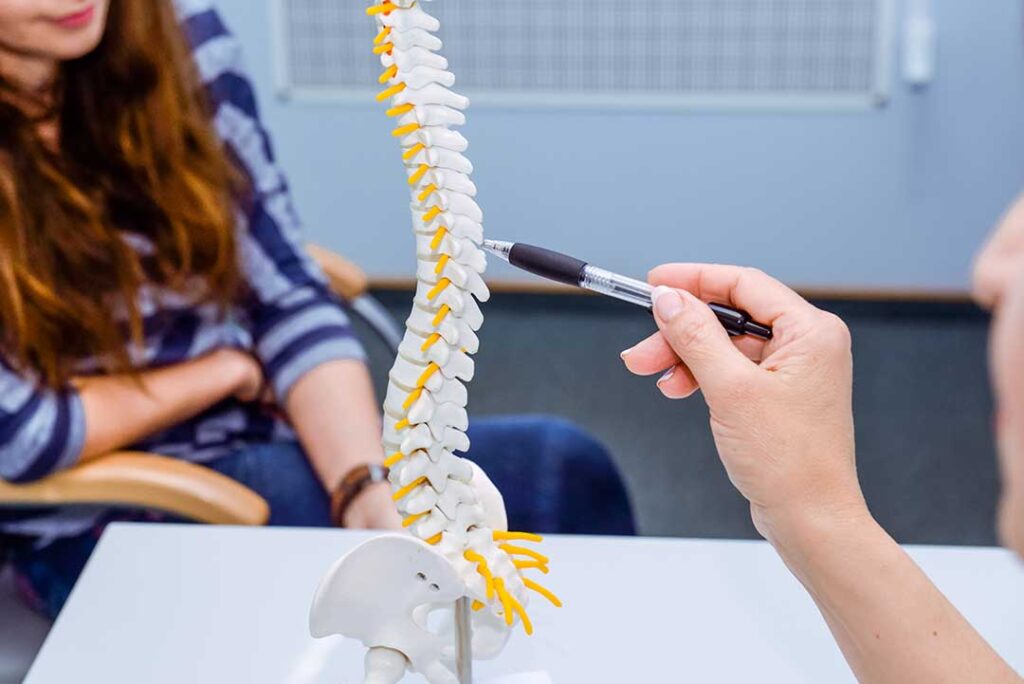
Chiropractic care and physical therapy are both hands-on healthcare approaches aimed at improving musculoskeletal health, but they focus on different methods and goals. Chiropractic care primarily looks at the spine and nervous system, using adjustments to help restore joint motion, alleviate pain, and support nervous system function. Physical therapy, by contrast, addresses a broader range of movement, muscle, and joint issues using exercises, manual therapy, and modalities like heat or ice to help people regain mobility and strength.
In practice, a person experiencing back pain in East Greenbush might see a chiropractor to address spinal alignment and relieve nerve irritation, then work with a physical therapist to regain flexibility, build core strength, and prevent future injury.
Can Chiropractic and Physical Therapy Be Used Together?
Yes, combining these two approaches is common, especially when recovering from injuries or managing chronic pain. The therapies complement each other: chiropractic adjustments can prepare the body for physical therapy exercises by reducing pain and improving joint movement, while physical therapy can help stabilize body structures and retrain muscles to support chiropractic improvements.
For example, residents who slip on icy sidewalks in winter may need both spine adjustments to address acute pain and physical therapy for balance and gait training as part of recovery.
What Are the Benefits of Combining These Treatments?
Many people in the community find that blending chiropractic care and physical therapy leads to:
- Faster improvement with back or neck pain after shoveling or yard work
- More lasting relief from recurring sports or work-related injuries
- Better support for posture and lifestyle changes, especially for those with sedentary jobs or heavy lifting
By addressing both joint alignment (through chiropractic) and muscle control (via physical therapy), this combined approach often results in improved function and comfort.
What Conditions Are Best Treated With Both Approaches?
Some common situations where both care types may be helpful include:
- Acute injuries, like whiplash or sprains from winter weather or home improvement
- Chronic back, neck, or shoulder discomfort from repetitive tasks or sitting at a desk
- Sciatica, which can involve both nerve pressure and muscular tightness
- Recovery after joint or spine surgery, when restoring movement and alignment is critical
It’s especially relevant for local residents who want to stay active—whether gardening, walking local trails, or managing physically demanding work—without recurring pain.
How Do Care Plans Work in Practice?
Typically, a healthcare provider will help create a coordinated plan based on the person’s diagnosis, goals, and lifestyle. This might involve:

1. Chiropractic evaluation and a series of adjustments to restore mobility.
2. Physical therapy sessions, focused on stretching, strengthening, and education.
3. Ongoing monitoring and communication between providers, if necessary, to adapt care as symptoms and abilities improve.
Local patients might be advised on specific home exercises over winter, safe ways to lift heavy objects, or ergonomic adjustments for remote work setups, as part of their recovery.
Are These Treatments Safe for Most People?
Both chiropractic and physical therapy are considered safe and evidence-based when performed by licensed providers. There are, however, a few situations—like acute fractures, certain neurological conditions, or open wounds—where extra caution or alternative approaches might be recommended.
Anyone with ongoing pain, changes in sensation, or difficulty with daily activities should consult a healthcare provider to discuss the safest and most effective care plan. Local agencies also provide guidance on safety for specific age groups, from children through older adults.
What Common Misconceptions Exist About Chiropractic and Physical Therapy?
Several misunderstandings circulate about these fields:
- Some think chiropractic care is “only for the back,” when it can address many joints, including the shoulders, hips, and knees.
- Others assume physical therapy is only for post-surgery recovery, but it’s widely used for prevention and everyday pain.
- It’s a myth that you must choose one or the other; many benefit from using both, sometimes alternating between providers as health needs change.
Locally, it remains common for neighbors to share their personal stories about these treatments, which can lead to both positive interest and confusion if not explained clearly.
How Do Residents Find Reliable Information and Support?
Residents searching for practical guidance on these therapies should rely on evidence-based health organizations, state regulatory boards, and physicians. Local community forums, libraries, and municipal health programs sometimes offer in-person or virtual workshops about musculoskeletal health and injury prevention that help clarify the role of different care approaches.
While word of mouth is common in the city, checking information against reputable sources helps ensure safe, effective decisions.
