
 See Our Latest Article on HelloNation
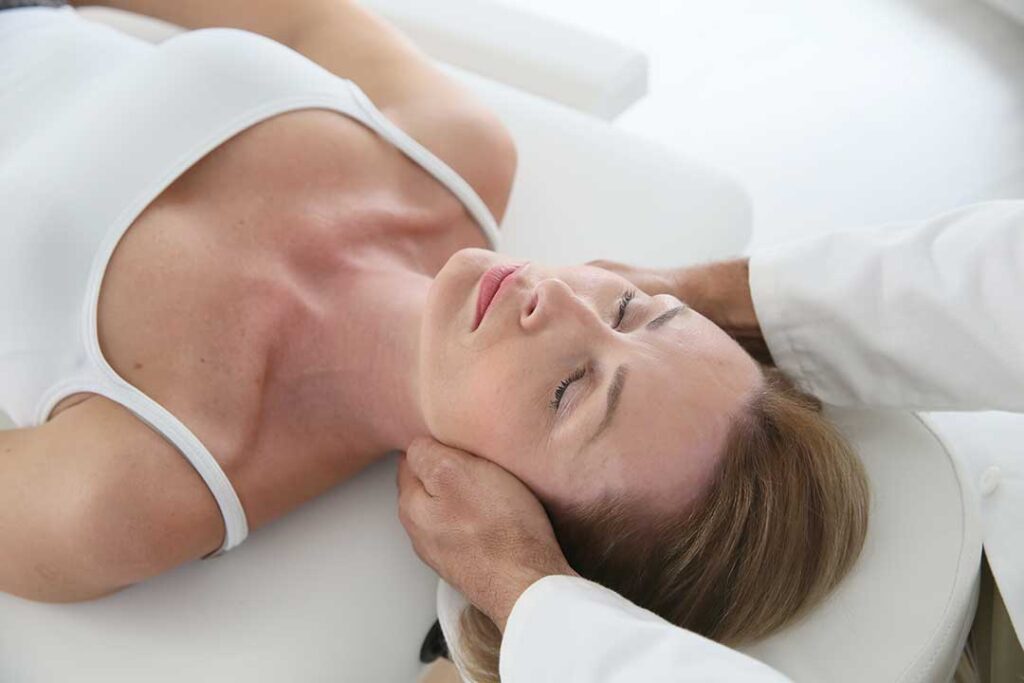
Chronic pain is generally defined as pain that lasts longer than three months or continues beyond the expected healing period. It may affect the back, neck, shoulders, joints, nerves, or several areas at once. Self-care cannot replace diagnosis or treatment, but consistent daily habits can reduce flare-ups, support mobility, improve sleep, and make ordinary activities more manageable. ([medlineplus.gov](https://medlineplus.gov/chronicpain.html?utm_source=openai))
What does effective self-care for chronic pain involve?
Effective self-care is usually a combination of pacing, gentle movement, sleep support, stress management, and attention to activities that worsen symptoms. The goal is not always to eliminate pain completely. A more realistic goal is to improve function so that daily tasks, work, family responsibilities, and enjoyable activities remain possible. ([ninds.nih.gov](https://www.ninds.nih.gov/health-information/disorders/pain?utm_source=openai))
A simple pain journal can help identify patterns. For one or two weeks, record:
- Where the pain occurs and how it feels
- What activity came before a flare-up
- Sleep quality and energy level
- Stress, mood, and weather-related changes
- What provided relief
- Which activities became difficult
This information can reveal practical adjustments, such as taking breaks before symptoms intensify, changing how household tasks are performed, or avoiding long periods in one position.
Should movement be reduced or increased?
For most people, carefully adjusted movement is more helpful than prolonged bed rest. Regular physical activity can improve sleep, mood, strength, independence, and—in some conditions—pain and physical function. Adults with chronic conditions who are able to exercise are generally encouraged to work toward federal activity targets, but someone with significant pain may need to begin well below those levels. ([cdc.gov](https://www.cdc.gov/chronic-disease/living-with/index.html?utm_source=openai))
Start with a tolerable amount rather than waiting for a pain-free day. Examples include:
- A few minutes of easy walking on level ground
- Gentle range-of-motion exercises
- Light stretching that does not cause sharp or radiating pain
- Short periods of stationary movement
- Basic strengthening with body weight or light resistance, when appropriate
Increase duration or intensity gradually. A temporary increase in mild soreness may occur, but severe, escalating, or new symptoms are reasons to stop and reassess. Pain that travels down an arm or leg, produces weakness, or causes numbness should not be treated as ordinary exercise soreness.
During icy winters or very hot, humid periods, outdoor activity may be less comfortable. Indoor walking, brief mobility breaks, or several shorter activity sessions can provide alternatives. The most useful routine is one that can be repeated consistently through seasonal changes.
How can pacing prevent painful flare-ups?
Pacing means dividing activities into manageable portions instead of alternating between overexertion and complete rest. Many people feel capable on a better day and do too much—such as cleaning, lifting, gardening, or snow-related chores—only to experience a flare-up afterward.
A practical pacing method is to:
- Break a large task into smaller steps
- Alternate standing, sitting, and walking
- Use a timer for brief movement breaks
- Stop before symptoms become severe
- Keep frequently used items between waist and shoulder height
- Ask for help with heavy or awkward loads when necessary
Household setup matters. In homes where stairs, storage areas, or outdoor maintenance require repeated bending and lifting, rearranging supplies can reduce strain. A small stool, long-handled tool, or cart may make a task easier, but equipment should be used safely and should not encourage lifting beyond a person’s capacity.
Can sleep and stress affect pain?
Yes. Poor sleep, anxiety, low mood, and ongoing stress can increase fatigue and make pain feel more intrusive. Chronic pain can also disrupt sleep, creating a cycle in which discomfort and exhaustion reinforce each other. Behavioral approaches may include relaxation skills, mindfulness, structured activity planning, counseling, and sleep routines. ([medlineplus.gov](https://medlineplus.gov/chronicpain.html?utm_source=openai))
Helpful sleep habits include:
- Keeping a consistent wake time
- Limiting stimulating activities close to bedtime
- Using pillows to support a comfortable position
- Keeping the bedroom dark, quiet, and comfortably cool
- Avoiding long daytime naps if they interfere with nighttime sleep
Slow breathing can help reduce muscle tension during a flare. Try inhaling gently, then making the exhalation slightly longer, for several minutes. This is not a cure for the underlying condition, but it may reduce the body’s stress response and make movement or rest easier.
Pain is also emotionally exhausting. Feeling frustrated or discouraged does not mean the pain is imaginary. Mental health support can be part of responsible pain care, particularly when pain is accompanied by persistent sadness, anxiety, isolation, or loss of interest in normal activities.
Are heat, cold, stretching, or massage safe?
Heat may ease muscle tightness, while cold may temporarily reduce soreness or swelling after certain activities. Use a cloth barrier, limit exposure, and avoid sleeping with a heating pad or ice pack in place. People with reduced sensation, circulation problems, or conditions affecting temperature awareness should use extra caution.
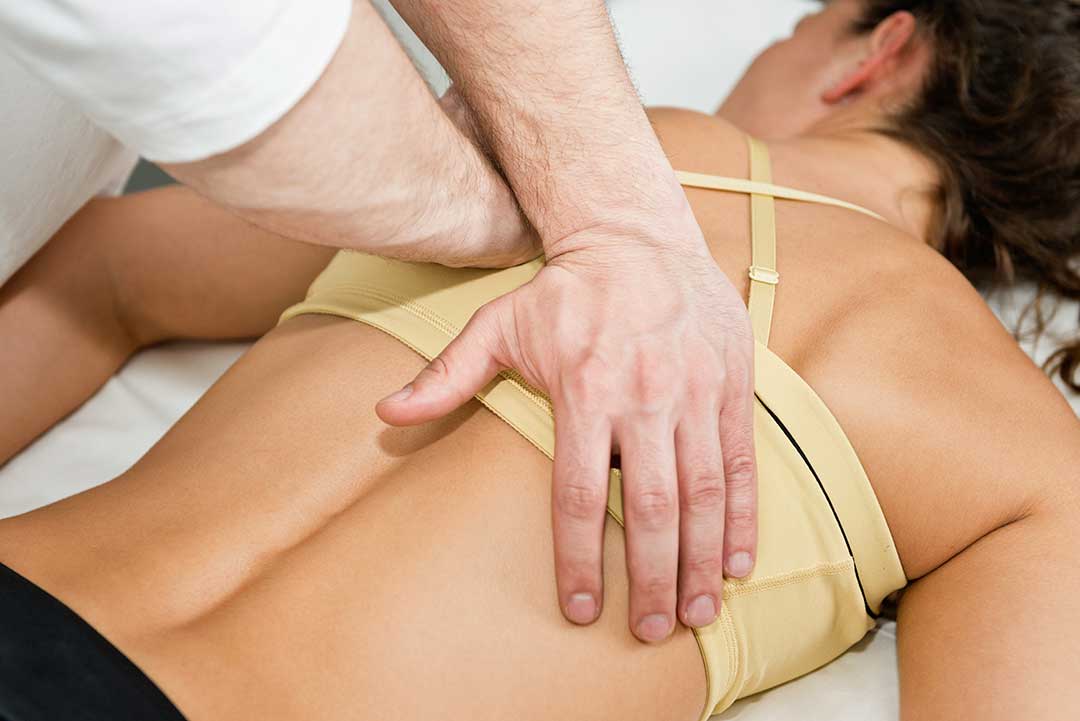
Stretching should feel gentle rather than forceful. Avoid bouncing, forcing a joint to its limit, or repeatedly stretching into sharp pain. Massage, relaxation exercises, and other non-drug approaches may help some people, but results vary according to the cause of pain. ([medlineplus.gov](https://medlineplus.gov/painrelievers.html?utm_source=openai))
A common misconception is that a painful area must always be “worked out.” Some symptoms respond to movement, while others worsen with particular positions or loads. The response over the next 24 hours is useful information: if a technique consistently causes a major flare, it may need to be modified or stopped.
What should residents know about over-the-counter pain medicine?
Over-the-counter medicine is not automatically risk-free. Acetaminophen can be present in multiple products, making accidental overuse possible. Nonsteroidal anti-inflammatory drugs, including ibuprofen and naproxen, may cause stomach, kidney, bleeding, heart, or blood-pressure complications in some people. Medicines may also interact with prescriptions or health conditions. ([medlineplus.gov](https://medlineplus.gov/painrelievers.html?utm_source=openai))
Read the active ingredients and dosing instructions carefully. A pharmacist or medical clinician can help review safety when there is a history of ulcers, kidney disease, liver disease, heart disease, blood-thinning medication use, pregnancy, or multiple prescriptions. Opioid medication should be used only as directed because dependence, overdose, and other serious risks are possible. ([medlineplus.gov](https://medlineplus.gov/painrelievers.html?utm_source=openai))
When does chronic pain need prompt medical attention?
Self-care is not appropriate for every new or changing symptom. Prompt medical evaluation is warranted for pain after a significant injury, rapidly worsening pain, fever, unexplained weight loss, new weakness, progressive numbness, loss of bladder or bowel control, or numbness around the inner thighs or groin.
Chest pain, severe shortness of breath, sudden one-sided weakness, confusion, or a sudden severe headache require emergency care. Persistent pain that interferes with sleep, walking, work, or basic activities also deserves assessment rather than indefinite self-treatment.
A coordinated plan may include medical evaluation, exercise guidance, physical rehabilitation, behavioral support, medication review, or complementary approaches. No single method works for every type of chronic pain, so progress is best measured by meaningful function—such as walking farther, sleeping more consistently, or completing daily tasks—not pain intensity alone. ([ninds.nih.gov](https://www.ninds.nih.gov/health-information/disorders/pain?utm_source=openai))
