
 See Our Latest Article on HelloNation

Jaw pain and neck problems can overlap because the jaw, upper neck, shoulders, and head work together during chewing, speaking, breathing, and maintaining balance. However, jaw pain is not automatically caused by a “misaligned spine,” and posture alone does not explain every case.
For residents of East Greenbush, understanding that distinction can help prevent unnecessary worry and encourage the right type of evaluation.
What does jaw pain have to do with the spine?
Jaw pain may be influenced by the muscles, joints, nerves, and movement patterns shared by the jaw and upper neck. The temporomandibular joints—often called the TMJs—connect the lower jaw to the skull. Muscles around the jaw, face, neck, and upper back help control movement and stabilize the head.
Temporomandibular disorders, or TMDs, are a group of conditions involving the jaw joints, chewing muscles, or surrounding tissues. Symptoms can include jaw pain, difficulty chewing, stiffness, headaches, facial pain, and painful clicking or popping. TMDs may occur by themselves or alongside neck pain, back pain, headaches, sleep problems, or other health conditions. ([nidcr.nih.gov](https://www.nidcr.nih.gov/research/data-statistics/temporomandibular-disorders-jaw-pain?utm_source=openai))
A change in one area can affect how another area moves. For example, a person with a stiff neck may hold the head differently while eating or working. That altered position can increase activity in the chewing muscles. Likewise, a painful jaw may cause someone to tense the neck and shoulders without realizing it.
This is better understood as a possible relationship between connected body regions—not proof that the spine is the sole cause of jaw symptoms.
Can poor posture cause TMJ pain?
Posture may contribute to muscle tension, but the evidence does not support a simple claim that poor posture directly causes TMD. Research reviews have found an association between TMD and certain neck-related problems, including reduced neck mobility and lower endurance of some neck muscles. At the same time, findings about head and neck alignment are inconsistent, and the relationship remains scientifically uncertain. ([pubmed.ncbi.nlm.nih.gov](https://pubmed.ncbi.nlm.nih.gov/24118029/?utm_source=openai))
Common situations that may increase strain include:
- Looking down at a phone or tablet for long periods
- Working at a computer with the head held forward
- Driving for extended periods
- Sleeping in a position that leaves the neck rotated
- Repeatedly clenching the teeth during concentration or stress
- Carrying loads on one side of the body
These habits may increase muscle workload, but they do not necessarily indicate a spinal “misalignment.” A person can have noticeable forward-head posture without developing jaw pain, while someone with a relatively neutral posture may have TMD caused by arthritis, an injury, teeth grinding, muscle overuse, or another condition.
Why can neck pain and jaw pain occur together?
The jaw and upper neck communicate through overlapping muscles and nerve pathways. When the chewing muscles become overactive, discomfort may spread toward the temples, cheeks, ears, or upper neck. When the neck is irritated or fatigued, surrounding muscles may become tense and change the way the head and jaw are held.
Some people notice:
- Jaw soreness after waking
- Headaches near the temples or forehead
- Neck tightness after chewing
- Ear fullness without an ear infection
- Pain while yawning or eating tougher foods
- Clicking, popping, or grating in the jaw
- A feeling that the bite has changed
- Limited ability to open the mouth
A painless click does not always require treatment. Pain, locking, progressive limitation, or a sudden change in jaw movement deserves more attention than sound alone.
What everyday steps may reduce strain?
Mild, recent symptoms sometimes improve with conservative measures. The goal is to reduce irritation without forcing the joint or aggressively stretching the neck.
Helpful steps may include:
- Choosing softer foods temporarily if chewing is painful
- Cutting food into smaller pieces
- Avoiding gum chewing and very wide yawning
- Keeping the teeth slightly apart when not eating
- Applying a warm, not excessively hot, compress to tense jaw muscles
- Taking regular movement breaks during computer or phone use
- Supporting the forearms and keeping screens closer to eye level
- Practicing relaxed breathing instead of holding the jaw clenched
- Avoiding repeated self-manipulation or forceful jaw exercises
During colder months, people may also tense the shoulders and jaw while outdoors or commuting. Keeping the neck comfortably warm and taking brief movement breaks can help reduce general muscle guarding, although cold exposure is not a direct diagnosis or explanation for TMD.
Is spinal manipulation appropriate for jaw pain?
There is no single treatment that fits every jaw problem. Because TMD has many possible causes, evaluation should focus on the jaw, teeth, muscles, neck, medical history, and symptoms rather than assuming the spine is responsible. The National Institute of Dental and Craniofacial Research notes that diagnosis can be difficult because symptoms and causes overlap. ([nidcr.nih.gov](https://www.nidcr.nih.gov/health-info/tmd?utm_source=openai))
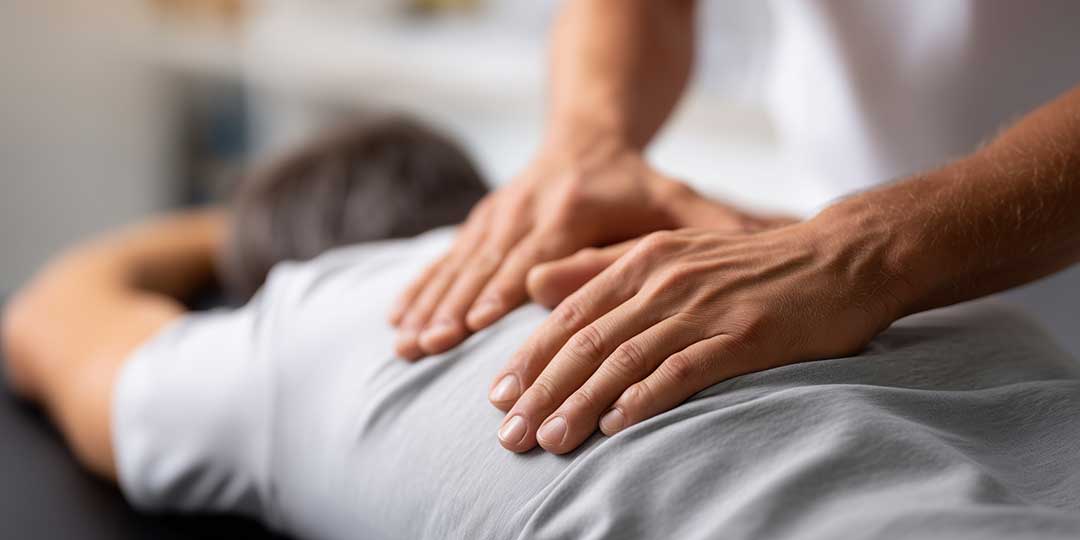
A clinician assessing the neck may examine movement, muscle tenderness, nerve-related symptoms, and how neck motion affects discomfort. That information can be useful, but treatment directed at the neck should not replace assessment of the jaw joint or dental structures when those are involved.
Aggressive neck or jaw manipulation is especially inappropriate after trauma, when symptoms are severe, or when neurological symptoms are present. Any hands-on treatment should be based on a clear examination and stopped if it increases pain, dizziness, numbness, or other concerning symptoms.
When should jaw pain be evaluated promptly?
Seek prompt medical or dental evaluation for:
- A jaw that cannot fully open or close
- Sudden or severe pain after a fall, collision, or blow
- Rapid swelling, fever, redness, or drainage
- New numbness, weakness, severe dizziness, or trouble speaking
- Chest pressure, shortness of breath, sweating, or pain spreading to the arm or jaw
- Persistent pain that interferes with eating or sleep
- A bite that changes suddenly or progressively
- Unexplained weight loss, a persistent lump, or pain that continues to worsen
Jaw discomfort can occasionally reflect dental infection, nerve irritation, arthritis, injury, or—less commonly—a heart-related emergency. The pattern of symptoms matters more than the location alone.
What is the most practical way to think about the connection?
Jaw pain and spinal health can be connected through shared muscles, movement habits, stress, and the way the head and neck are held. That connection is real enough to consider during an evaluation, but it should not be overstated. TMD is usually multifactorial, and posture is only one possible contributor.
For local residents, the most useful approach is to track when symptoms occur: after waking, during stressful tasks, while chewing, after prolonged screen use, or alongside neck pain. That information can help distinguish muscle tension from joint, dental, traumatic, or medical causes and guide a more appropriate next step.
